

If you live in Seminole County, you may have heard about the recent reports of a toxic chemical called 1,4-dioxane in your drinking water. According to the Orlando Sentinel, this chemical has been found in water wells in northwest Seminole County for years, and it is likely to cause liver and kidney cancers and other illnesses. The source of the contamination is believed to be the former Siemens manufacturing site on Rinehart Road, which closed in the early 2000s1.
This news may have caused you to panic and worry about your health and the quality of your water. You may have also been approached by some companies that claim to have the best solution for removing 1,4-dioxane from your water. But before you decide to buy any water filter or treatment system, you need to know some facts about 1,4-dioxane and the possible options for dealing with it.
1,4-Dioxane is a synthetic chemical that is used as a stabilizer for solvents and cleaners. It can also be found in many consumer products, such as paint strippers, dyes, greases, antifreeze, and aircraft deicing fluids2. 1,4-Dioxane is easily dissolved in water and can travel long distances in groundwater. It can also evaporate into the air when water is heated or sprayed2.
According to the US Environmental Protection Agency (EPA), 1,4-dioxane is classified as a likely human carcinogen, meaning that it can cause cancer in humans. The EPA has set a health advisory level (HAL) for 1,4-dioxane in drinking water at 0.35 parts per billion (ppb), which means that drinking water with concentrations above this level may pose a health risk over a lifetime of exposure2. However, this level is not legally enforceable and does not guarantee safety. The EPA is currently evaluating whether to regulate 1,4-dioxane under the Safe Drinking Water Act3.
The main way that people are exposed to 1,4-dioxane is by drinking contaminated water or breathing it in from showering, bathing, or doing laundry. Skin contact with 1,4-dioxane is not likely to cause cancer3. The health effects of 1,4-dioxane depend on the amount and duration of exposure. Some of the possible effects include:






If you are concerned about 1,4-dioxane in your water, you may want to consider installing a water treatment system that can effectively remove it. However, not all water filters are capable of doing so. According to the EPA3, the most effective methods for removing 1,4-dioxane from water are:
1.Advanced oxidation processes (AOPs), which use chemicals or ultraviolet light to break down 1,4-dioxane into harmless substances.
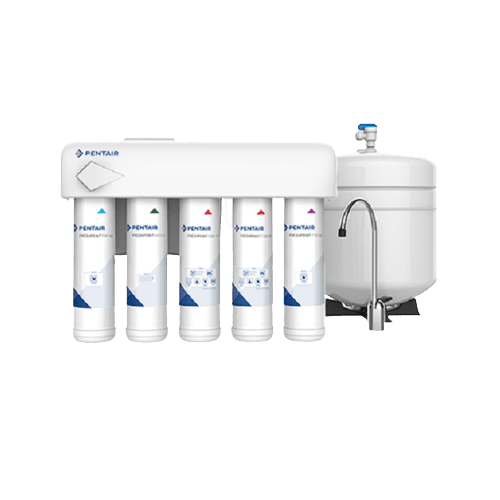
2. Reverse osmosis (RO), which uses pressure to force water through a semipermeable membrane that blocks 1,4-dioxane and other contaminants.
3. Other common methods of water treatment, such as activated carbon filters, ion exchange systems, or distillation units, are not effective for removing 1,4-dioxane3.
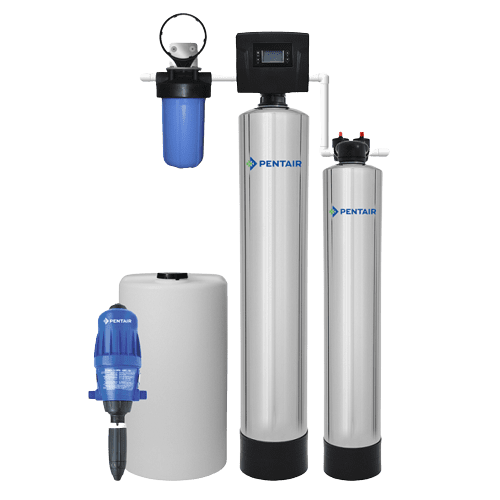
One of the options that you may have heard of is a whole house reverse osmosis system. This is a type of water filtration system that treats all the water that enters your home through a reverse osmosis membrane. A whole house reverse osmosis system can provide clean and pure water for drinking, cooking, bathing, laundry, and other uses.
However, before you decide to buy a whole house reverse osmosis system, you need to consider some facts about this option:
1.A whole house reverse osmosis system can remove a certain percentage of 1,4-dioxane from your water, depending on the quality of the membrane and the amount of 1,4-dioxane in the feed water. According to some studies4, reverse osmosis membranes can remove between 85% and 99% of 1,4-dioxane from water.
2. A whole house reverse osmosis system requires proper pretreatment to avoid scaling or damaging the membrane. This may include carbon filters to remove chlorine and other chemicals, water softeners to remove calcium and other minerals, and sediment filters to remove dirt and debris4.
3. A whole house reverse osmosis system has a low recovery rate, which means that it wastes a lot of water in the process of purification. For every gallon of purified water, a whole house reverse osmosis system may produce 2 to 5 gallons of wastewater4. This can increase your water bill significantly and have a negative impact on the environment.
4.A whole house reverse osmosis system also requires electricity to operate, as it needs a pressure pump to increase the water pressure and force it through the membrane. This can increase your electricity bill and make you dependent on the power grid.
5. A whole house reverse osmosis system needs a large storage tank to hold the purified water and a booster pump to deliver it to your faucets. This can take up a lot of space in your home and add to the cost and maintenance of the system.
6.A whole house reverse osmosis system may also need a UV disinfection unit to prevent bacterial growth in the storage tank and the distribution pipes, as reverse osmosis water is not chlorinated4. This can add to the complexity and expense of the system.
7. A whole house reverse osmosis system may also need a remineralization unit to add back some minerals and alkalinity to the purified water, as reverse osmosis water is acidic and corrosive4. This can improve the taste and health benefits of the water and protect your plumbing and appliances from damage.
As you can see, a whole house reverse osmosis system is not a simple or cheap solution for removing 1,4-dioxane from your water. It involves many components, costs, and challenges that you need to be aware of. While it may be a good option for some customers who have well water or other contaminants in their water, it may not be necessary or worth it for others who have city water.
If you are worried about 1,4-dioxane in your water, here are some steps that you can take to protect yourself and your family:
Check the actual level of 1,4-dioxane in your water over a longer period of time before you decide to buy any water treatment system. You can contact your local water utility or the Florida Department of Environmental Protection (FDEP) to get more information about the testing and monitoring of 1,4-dioxane in your area
2. You can also test your own water using a certified laboratory or a home test kit that is designed for 1,4-dioxane detection
3.Compare different options for removing 1,4-dioxane from your water and choose the one that best suits your needs and budget. You can consult with a reputable water treatment company or an independent expert to get professional advice and recommendations. You can also do your own research online or by reading customer reviews and ratings.
Install and maintain your chosen water treatment system according to the manufacturer’s instructions and guidelines. Make sure that you follow the proper procedures for installation, operation, maintenance, and replacement of the system components. You can also hire a qualified plumber or technician to help you with this task.
Enjoy the benefits of clean and safe water throughout your home. Drink plenty of water every day to stay hydrated and healthy. Use filtered water for cooking, washing, cleaning, and other purposes. Share your experience and knowledge with others who may have similar concerns about 1,4-dioxane in their water.
1,4-Dioxane is a toxic chemical that has been found in some drinking water sources in Seminole County. It can cause serious health problems if consumed over a long period of time. However, there are ways to remove 1,4-dioxane from your water using effective water treatment methods such as advanced oxidation processes or reverse osmosis
A whole house reverse osmosis system is one of the options that you may consider for removing 1,4-dioxane from your water. However, this option has many pros and cons that you need to weigh carefully before making a purchase. A whole house reverse osmosis system can provide high-quality water for your entire home, but it also requires high costs, space, energy, maintenance, and additional equipment.
Before you decide to buy any water treatment system for removing 1,4-dioxane from your water, you should check the actual level of 1,4-dioxane in your water over a longer period of time and compare different options that are available on the market. You should also consult with a professional or do your own research to find the best solution for your situation.
We hope this blog post has helped you understand more about 1,4-dioxane in your water and how to deal with it. If you have any questions or comments, please feel free to contact us or leave them below.

